Station life
The Royal Flying Doctor Service: How Remote Medicine Actually Works
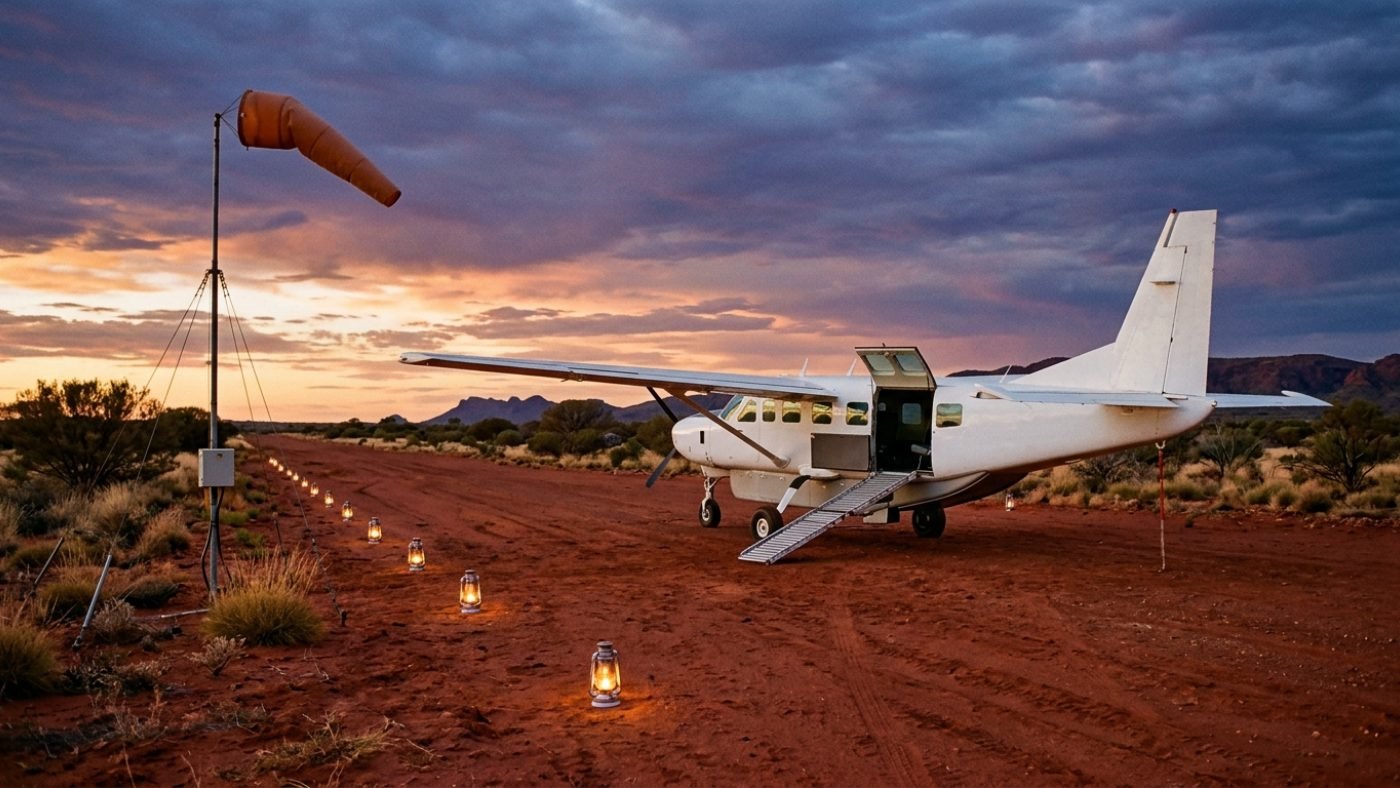
The pedal radio, the numbered medical chest, the kerosene lanterns that light a night landing, and an airstrip spec measured at 80km/h in the ute.
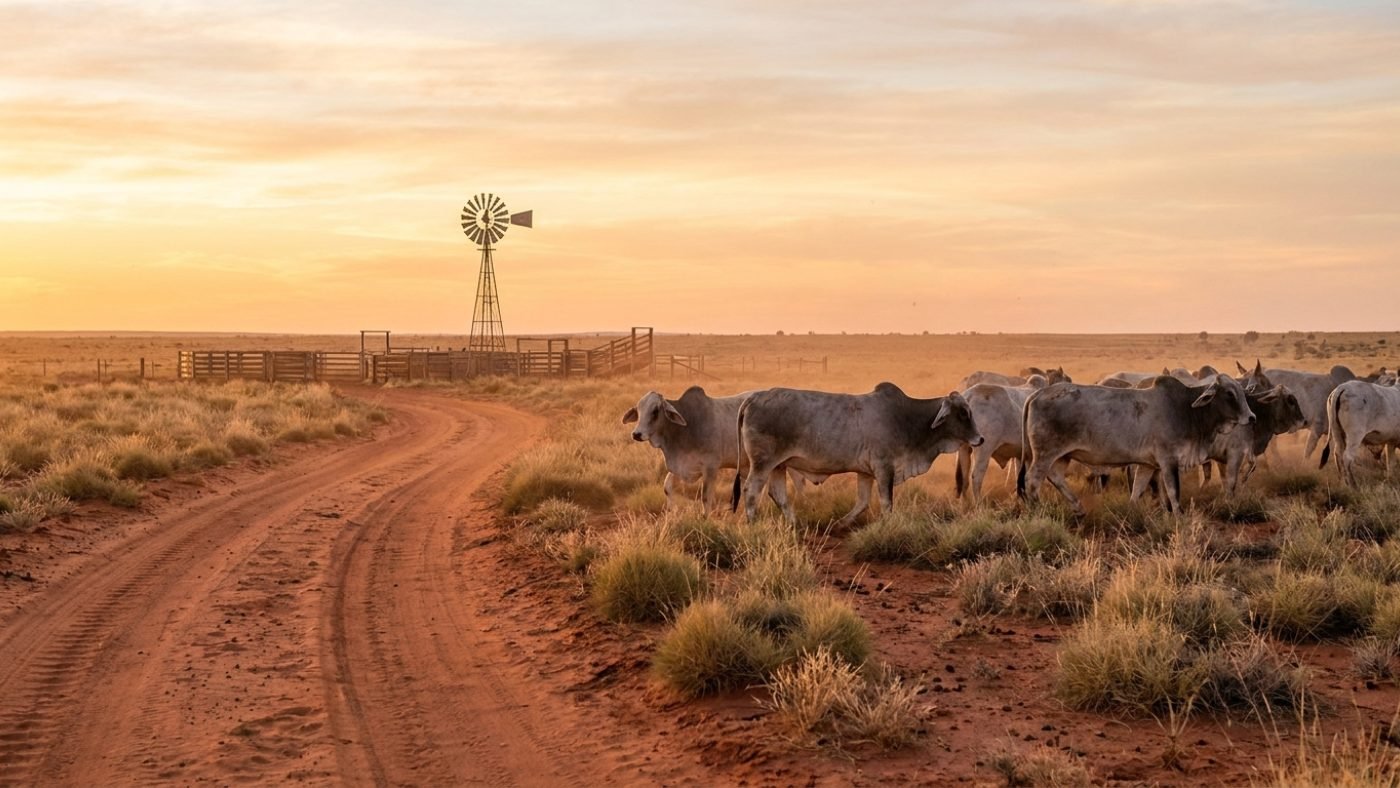
Australian cattle stations are measured in thousands of square kilometres, and the logistics that follow from that shape everything else: how water reaches stock spread over a million acres, how a doctor reaches a stockman with a broken leg, and how a place stays solvent through three dry years in a row.
These articles are about that world rather than about cattle husbandry — the bore and the solar pump that replaced the windmill, the Royal Flying Doctor Service and the pedal radio network it was built on, what station work pays and how people actually get hired into it, and what a full working year looks like from branding to muster.
If you are weighing up station work, or simply want to understand how remote Australia functions day to day, this is the place to start.
6 articles in this section.
Station life
The pedal radio, the numbered medical chest, the kerosene lanterns that light a night landing, and an airstrip spec measured at 80km/h in the ute.
Station life
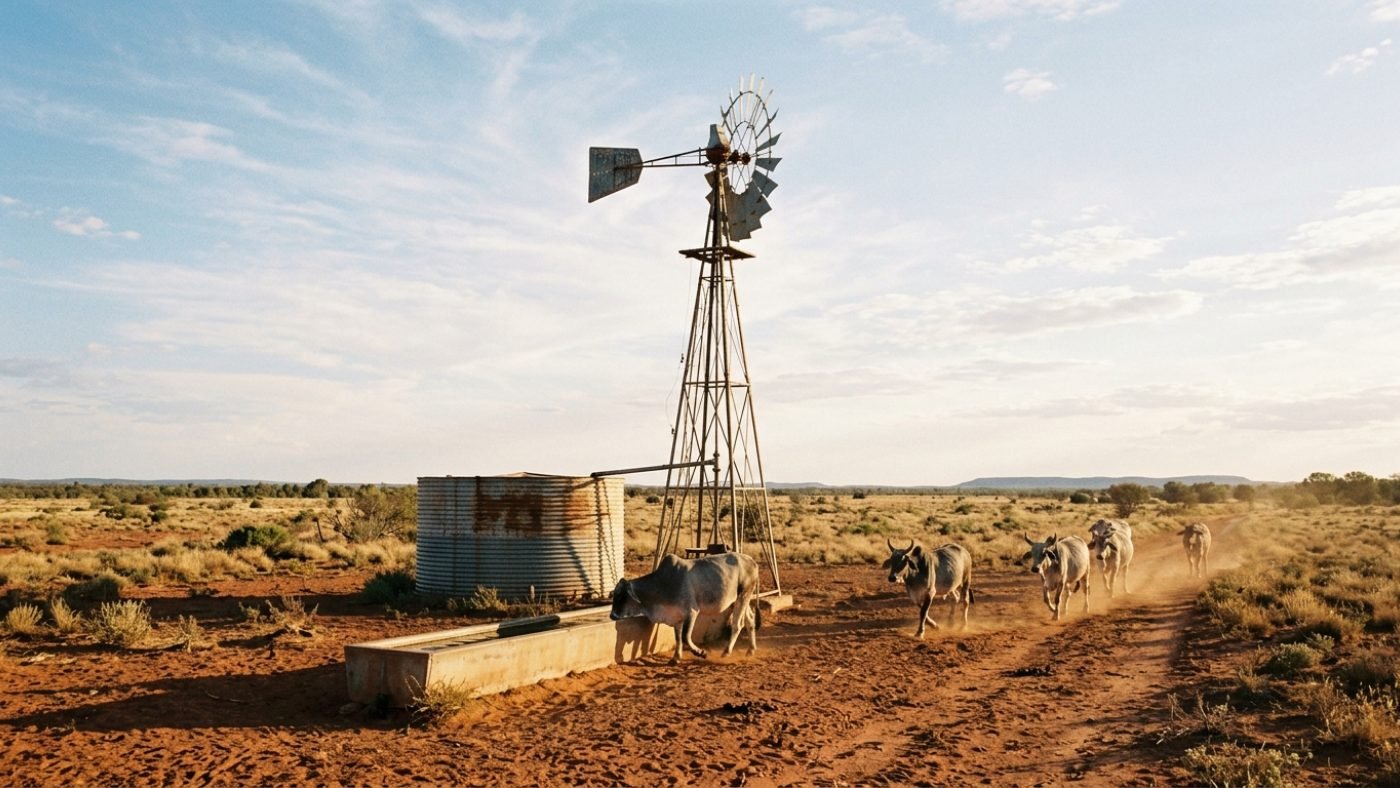
The Great Artesian Basin, the open drains that wasted 95% of it, why stations swapped windmills for solar, and how far cattle really walk to drink.
Farm life
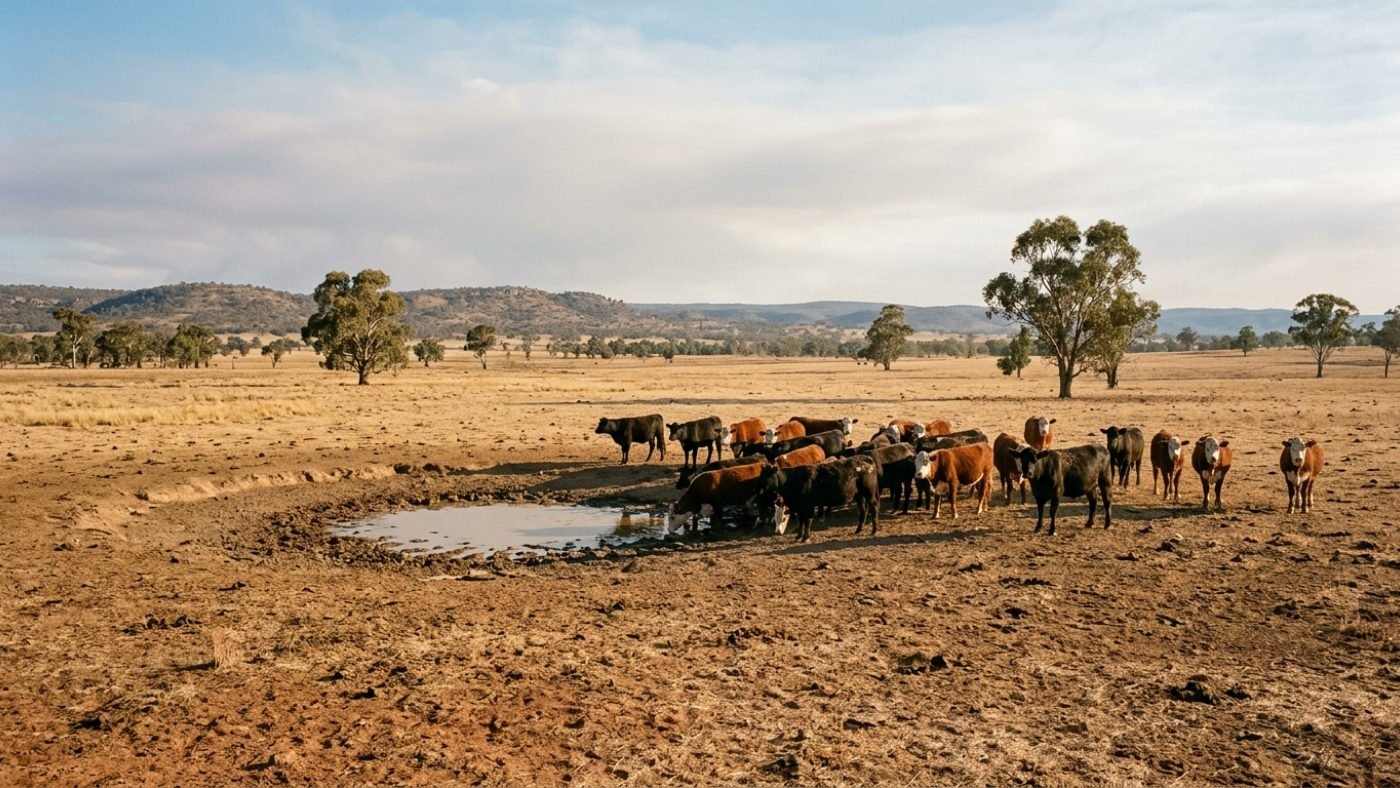
Destocking decisions, containment feeding, the support that actually exists, and the mental health side nobody used to talk about.
Station life
What it pays under the Pastoral Award in 2026, when stations actually hire, and how to apply so you get an answer.
Farm life
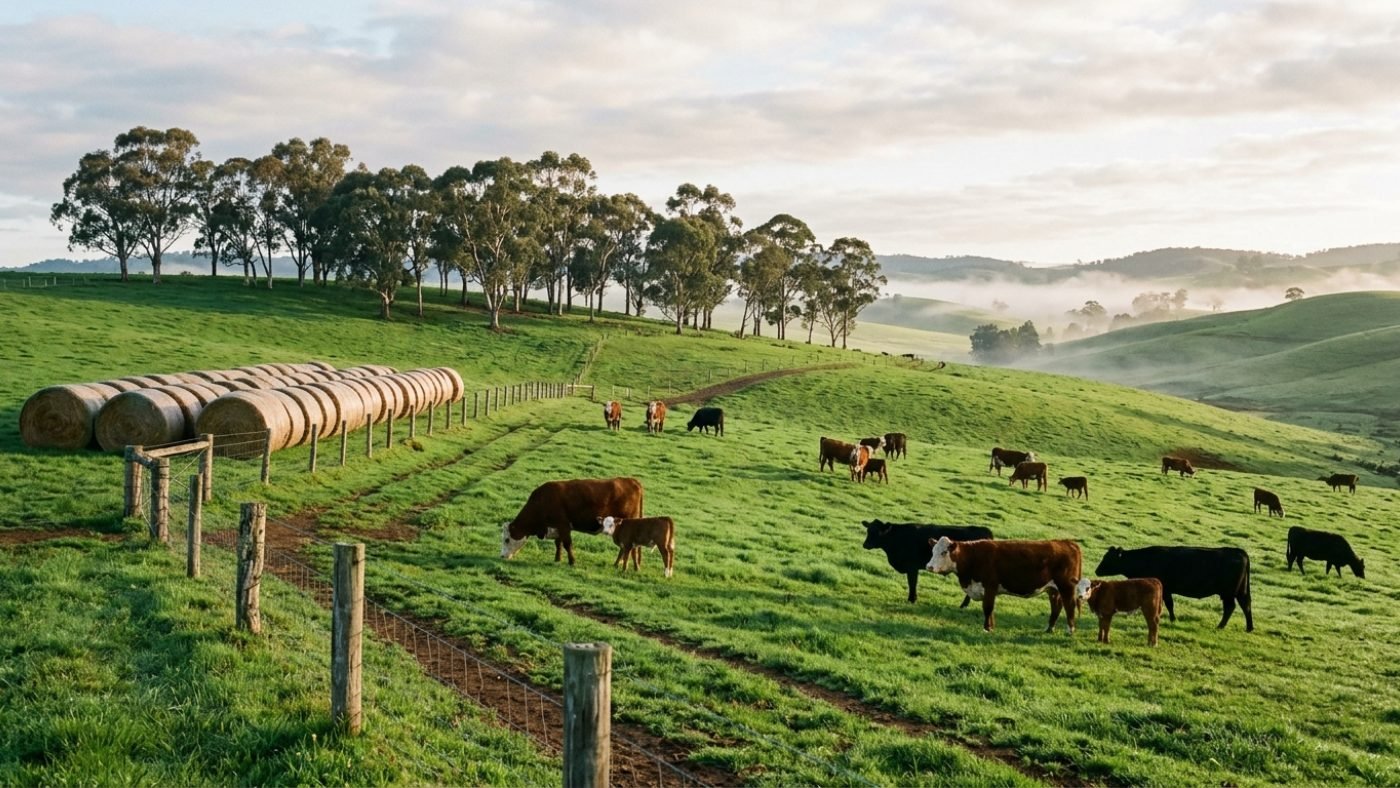
Calving, hay, joining, weaning and the autumn break — and why the north runs on a completely different calendar.
Station life
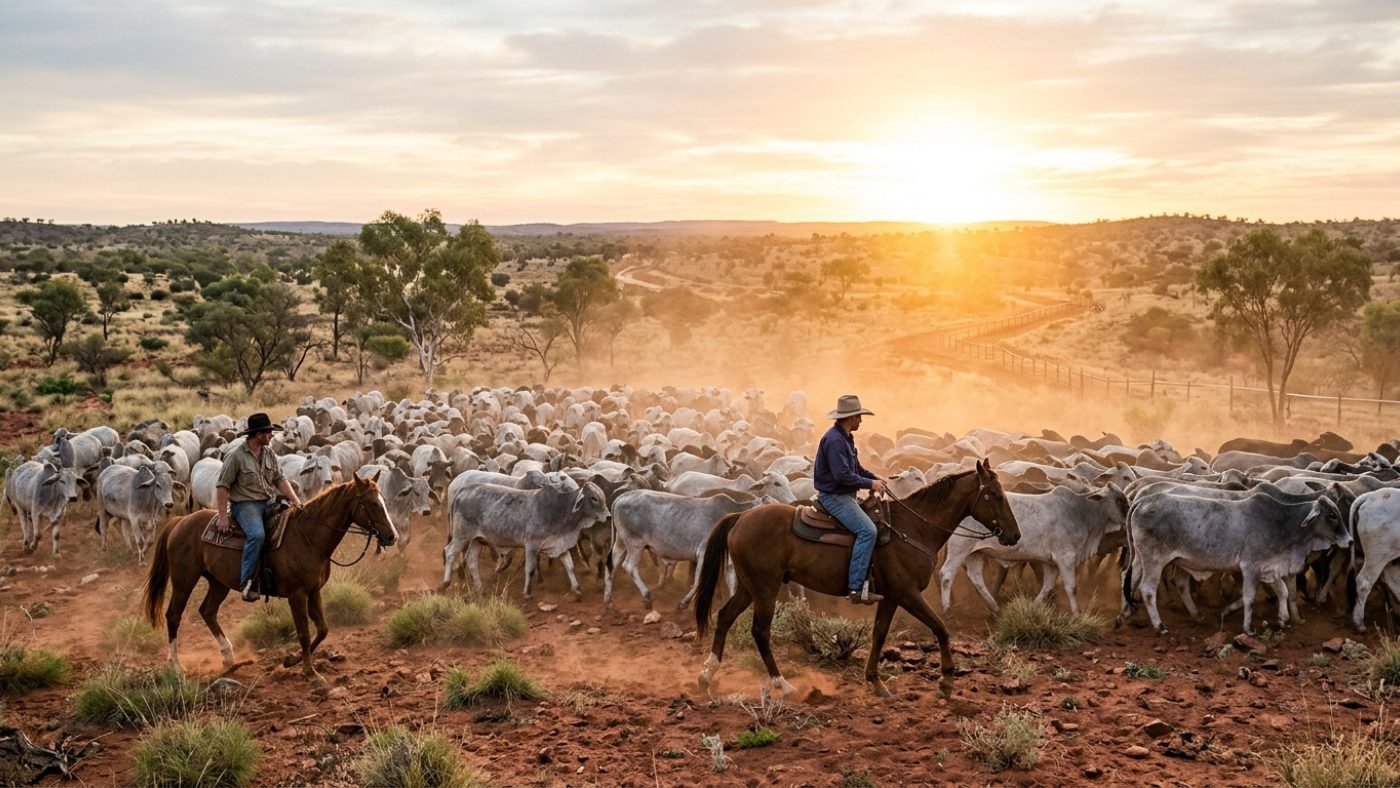
Dawn musters, School of the Air, wet seasons that cut the roads. Daily life on a station the size of a small country.